Skip to content
RATAPANIJUNGLE SAFARI
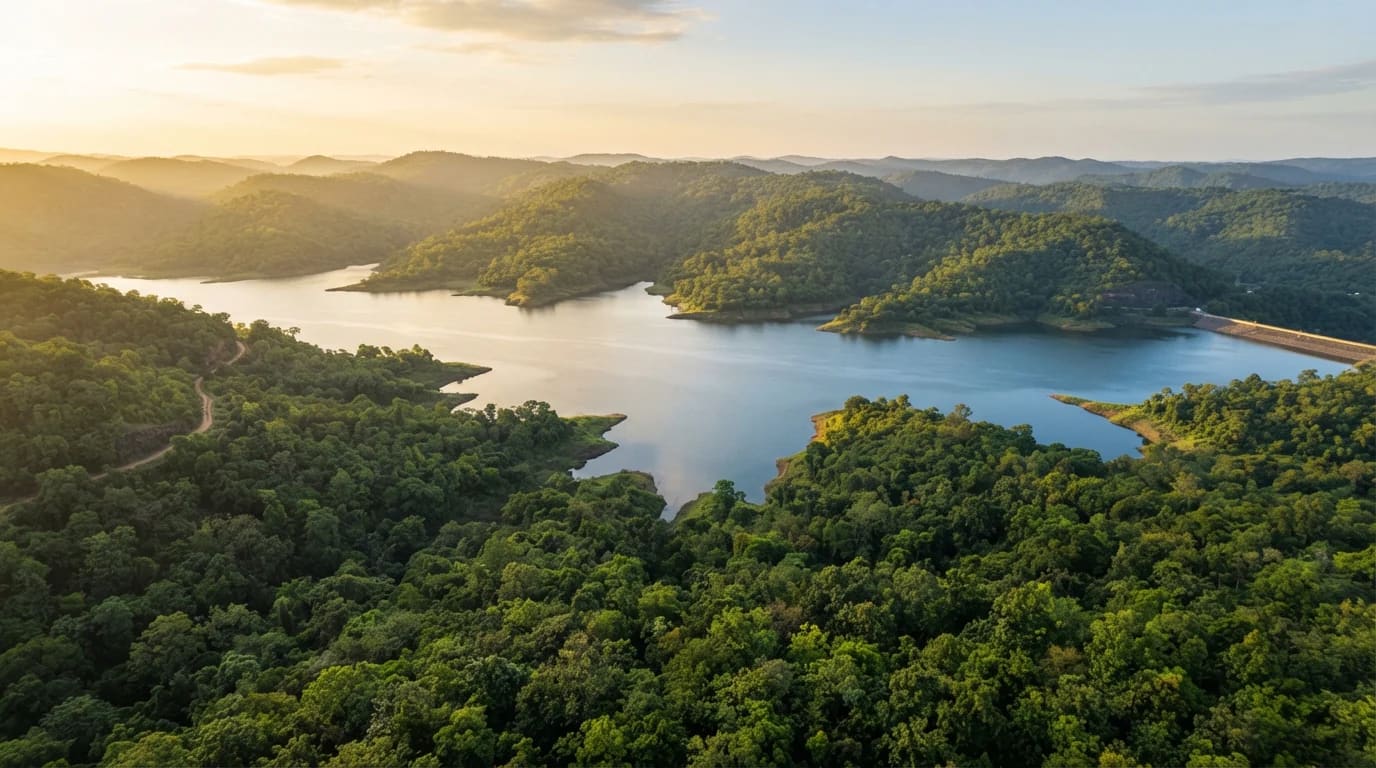
Aerial view of Ratapani Wildlife Sanctuary forest and reservoir

Vindhyan forest · Madhya Pradesh Forest Department

Ratapani Wildlife Sanctuary

About 825 km² of teak and bamboo forest in the Vindhya hills, protected since 1976. Reservoirs, gorges and plateaus here shelter tigers, leopards, sloth bears and 249 kinds of birds, right on Bhopal’s doorstep.

Hills, plateaus & valleysRatapani Dam & Barna ReservoirSurrounds UNESCO BhimbetkaUpdated
Established
1976
Wildlife sanctuary
Sanctuary area
≈ 825 km²
Now core of the tiger reserve
Districts
Raisen & Sehore
Madhya Pradesh
Forest type
Teak & bamboo
Dry & moist deciduous
From Bhopal
34 km
To Jhiri gate
Conservation dossier

Ratapani Wildlife Sanctuary: key facts

Water through the dry season

Ratapani Dam, Barna Reservoir and pools in seasonal streams hold water through summer and draw wildlife to their banks.

A tiger landscape near a capital

Tigers from Ratapani range up to the edge of Bhopal, making it one of the few tiger forests beside a state capital.

Teak-dominated canopy

Teak covers about 55% of the forest, with bamboo in about a quarter and mixed deciduous trees elsewhere.

Prehistoric heart

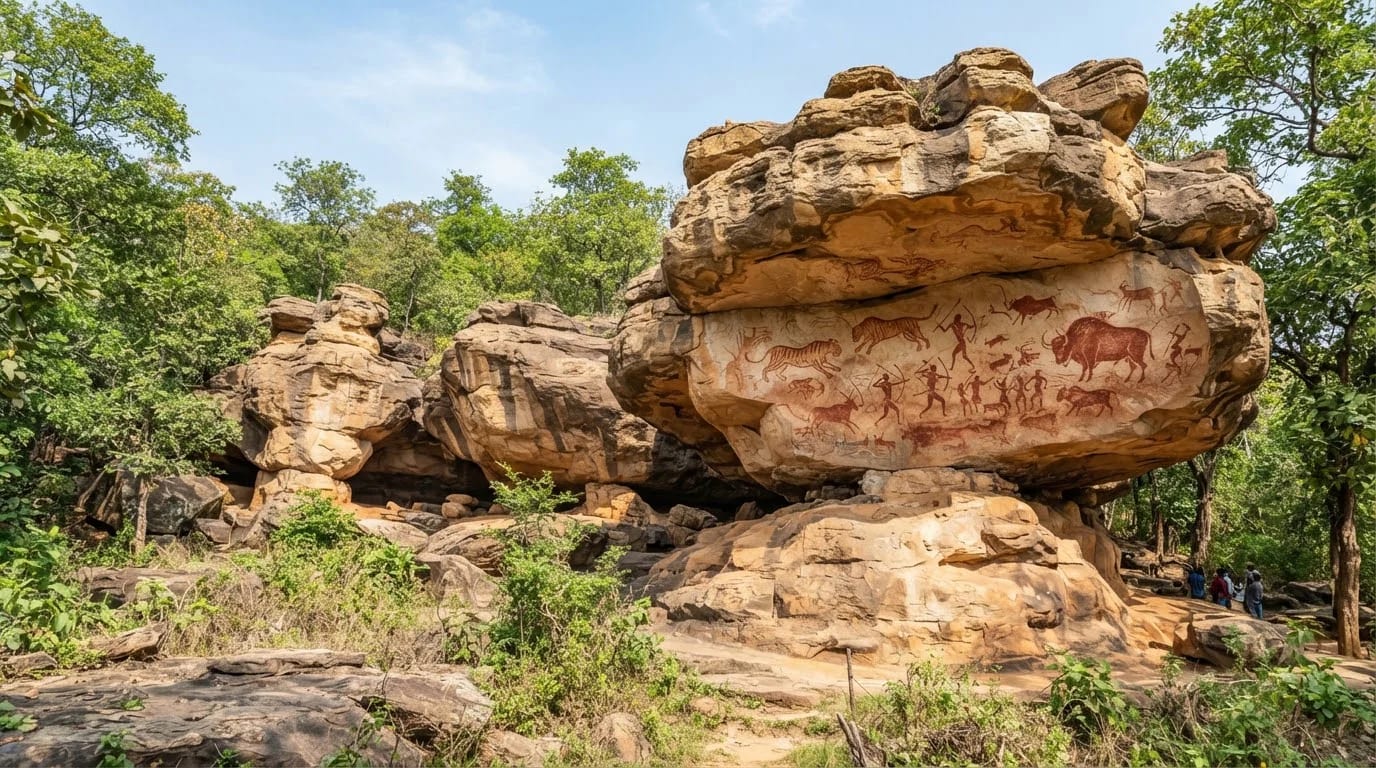
The UNESCO-listed Bhimbetka rock shelters lie within the sanctuary, so wildlife and heritage meet in one trip.

Overview

About Ratapani Wildlife Sanctuary

Few capitals anywhere have wild tigers living within an hour’s drive. Bhopal has Ratapani.

Ratapani Wildlife Sanctuary was declared in 1976 under the Wildlife (Protection) Act, 1972. It spreads across about 825 km² of Raisen and Sehore districts on the southern edge of the Vindhya range, with the Jhiri gate only about 34 km from Bhopal railway station.

The terrain is undulating: hills, plateaus, valleys and plains cut by seasonal streams. Some pools along these streams hold water even in summer, and together with Ratapani Dam and Barna Reservoir they keep the forest alive through the dry months.

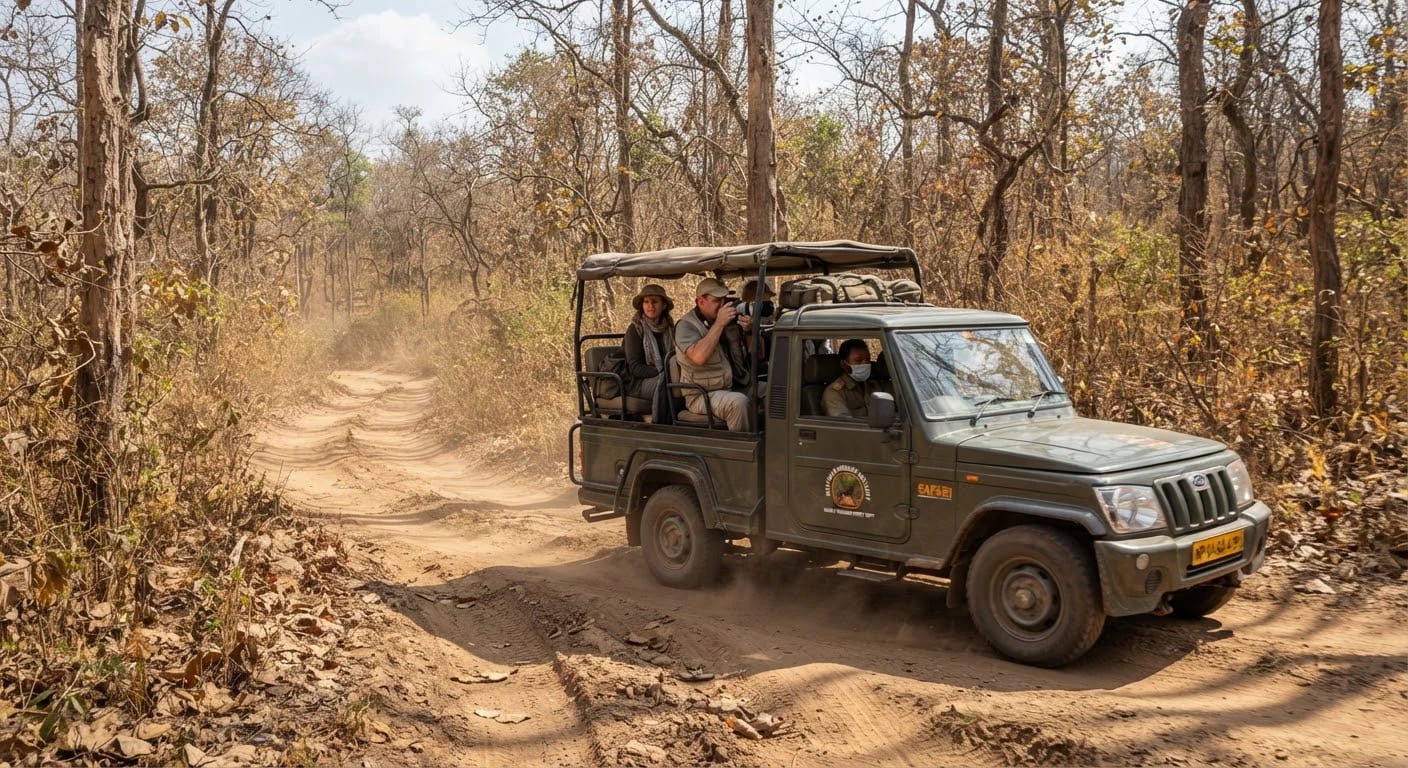
In December 2024 the sanctuary became the heart of the new Ratapani Tiger Reserve, which adds a buffer zone around it. Visitors explore it through three safari gates (Jhiri, Delawadi and Bhimbetka) described in our Ratapani safari gates guide.

35+
Mammals species
249
Birds species
104
Butterflies species
33
Reptiles species
Topography & water

Ratapani Sanctuary Geography: Hills, Gorges & Reservoirs

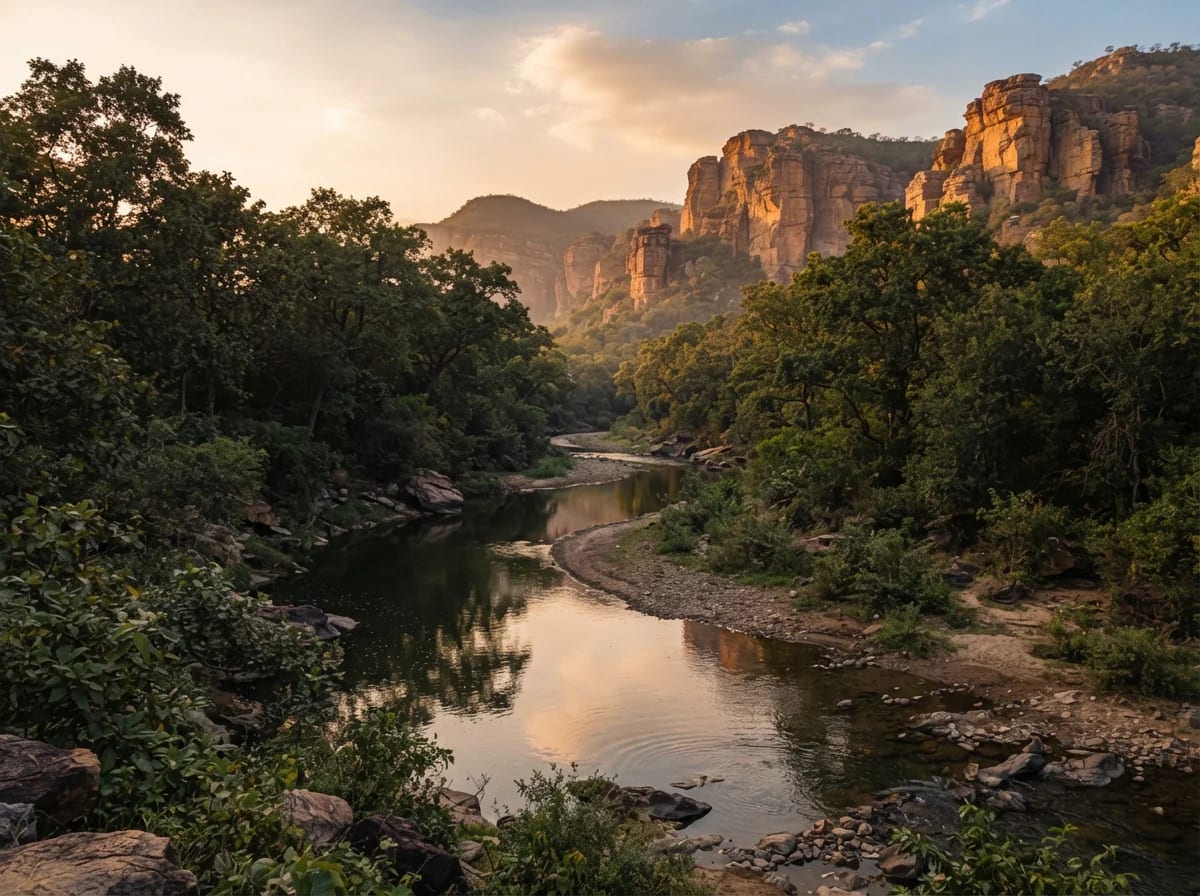
Sandstone ridges of the Vindhya range break into gorges, plateaus and valleys, with streams that drain south towards the Narmada.

River gorge and sandstone cliffs in Ratapani Wildlife Sanctuary

Vindhyan river country

Gorges, cliffs & teak valleys

Major waterbodies

2

Ratapani Dam, Barna

Teak cover

55%

Of forest area

Bamboo

¼

Of forest area

Ratapani Dam & Barna Reservoir

The two major waterbodies of the landscape. In the hot months of April and May, herds of chital and sambar gather along their banks, and so do the predators that hunt them. The sanctuary also borders the Kolar reservoir country to the west.

Vindhyan sandstone and rock shelters

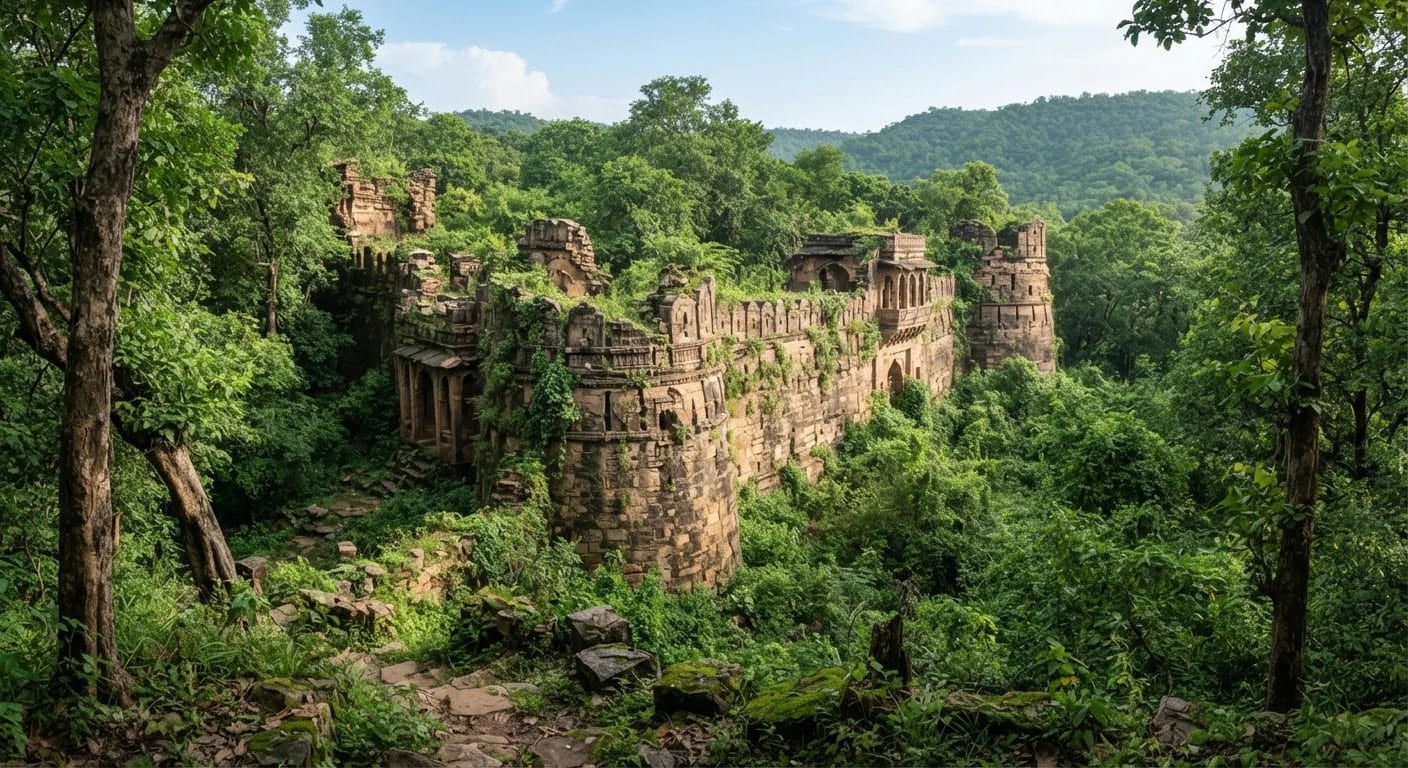
Ratapani sits on the ancient sandstone of the Vindhya range. Wind and water have carved ravines, cliffs and natural rock shelters, the same formations that sheltered Stone Age people at Bhimbetka and now shelter leopards and sloth bears.

Seasonal streams and summer pools

Most streams run only after the monsoon, but some pools along them hold water into summer. These “water points” are where many of the best summer sightings happen.

Forest types

Forest Types of Ratapani Wildlife Sanctuary

Ratapani’s forests are dry and moist deciduous, structured by teak, mixed species and bamboo.

Dominant

Teak Forest

Tectona grandis

Teak is the main tree of Ratapani and covers about 55% of the forest. Teak sheds its broad leaves in the dry season, turning the hills gold and opening up long sightlines for safaris.

Canopy share≈ 55% of the area
Mixed

Mixed Dry Deciduous Forest

Mahua, tendu, salai, dhaora

The rest of the forest is a mix of dry deciduous species such as mahua (Madhuca longifolia), tendu (Diospyros melanoxylon) and salai (Boswellia serrata), important for wildlife and for local communities.

Canopy share≈ 45% of the area
Understorey

Bamboo & Saja Patches

Dendrocalamus strictus

Bamboo grows through the other forest types and covers about a quarter of the forest, with evergreen saja patches along moist valleys. These thickets give tigers and leopards shade and cover.

Canopy share≈ 25% (overlapping)
Flora highlights

Ratapani Flora: Palash, Kullu, Mahua & Teak

Three trees that define the look, seasons and food web of Ratapani.

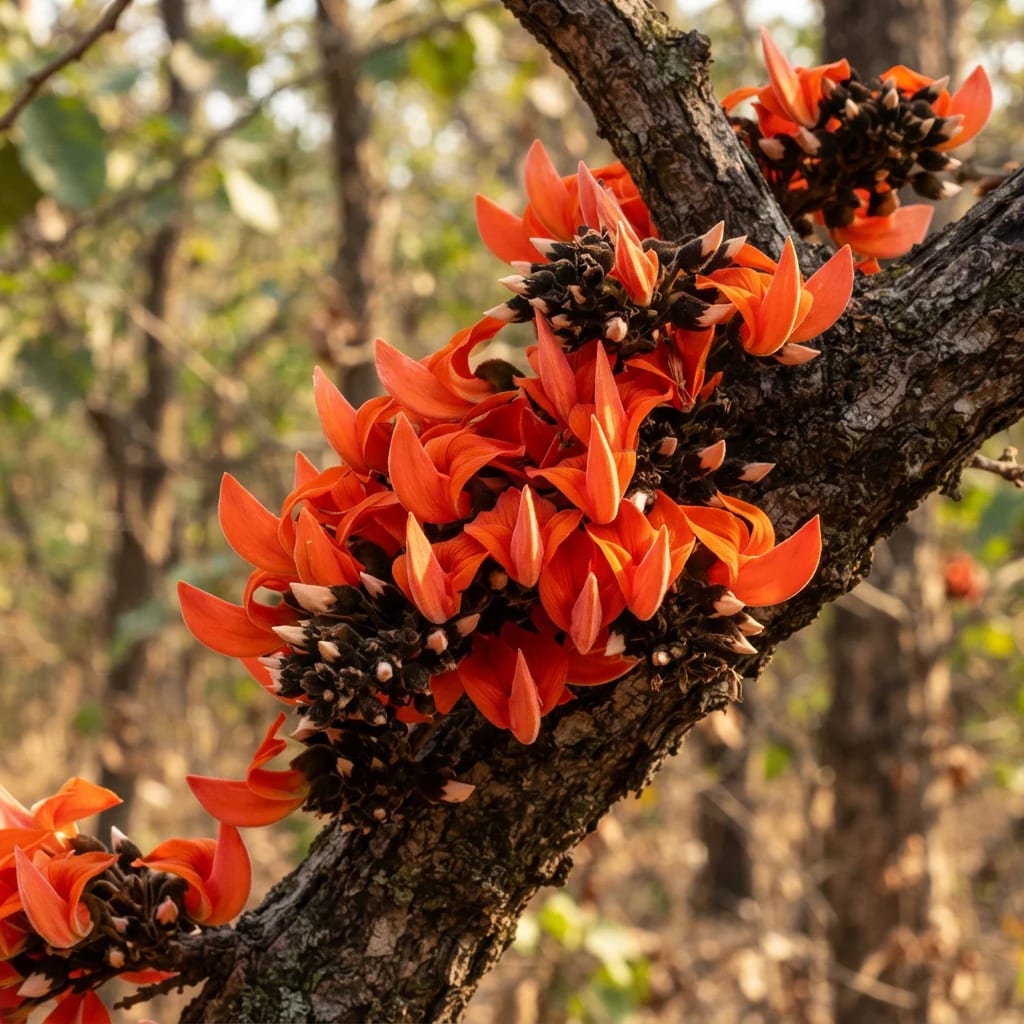
Palash (flame of the forest) flowers in Ratapani in springSpring bloom

Butea monosperma

Flame of the Forest (Palash)

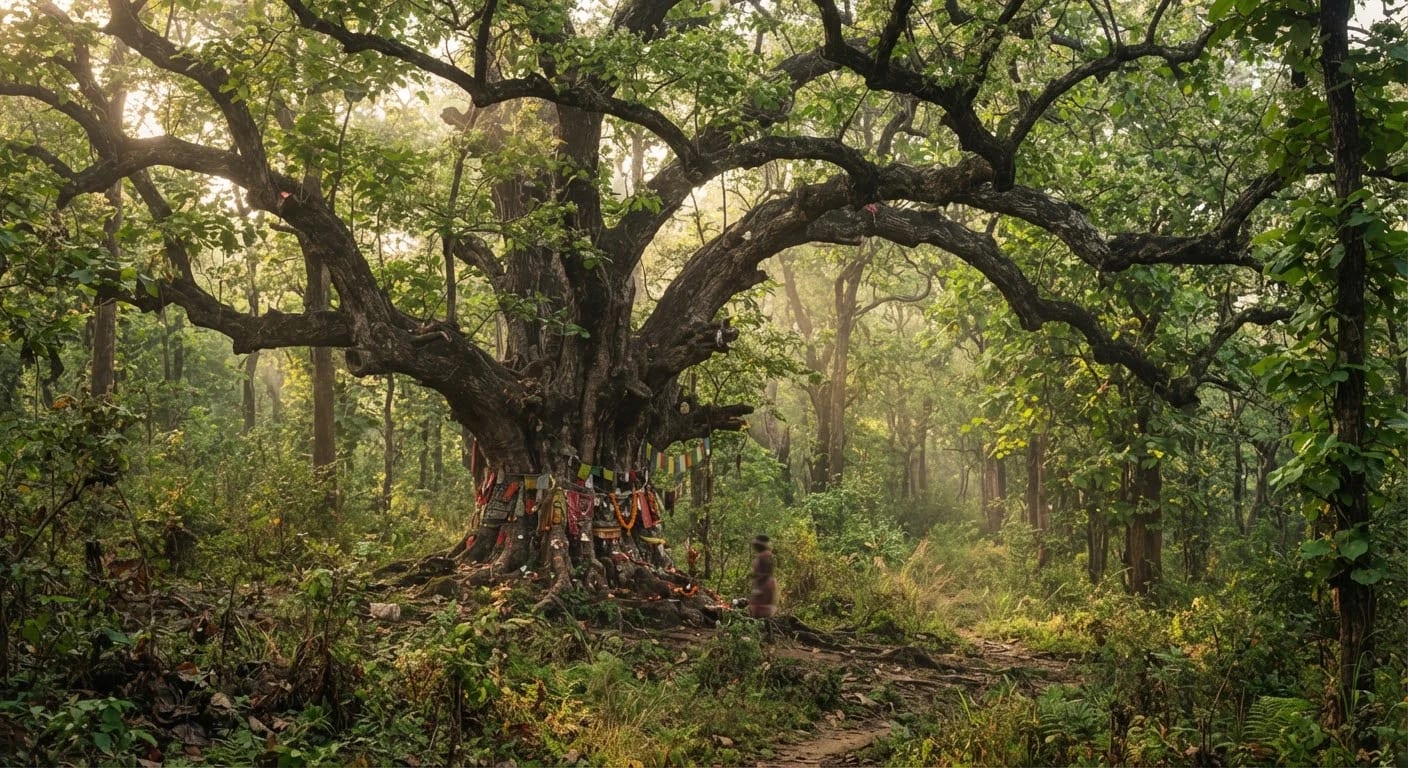
From February to April palash trees burst into bright orange flowers across the bare hills, feeding sunbirds, mynas and langurs.

Nectar for birds
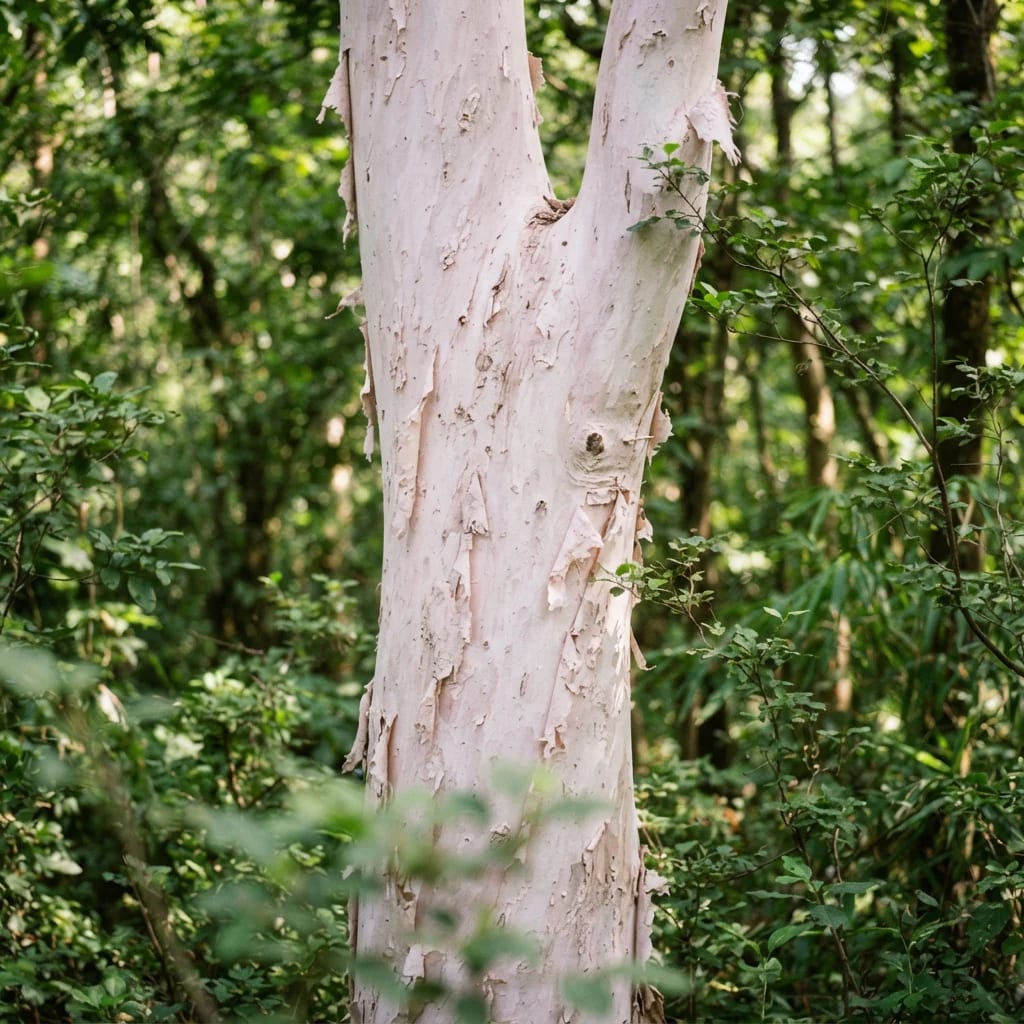
Kullu (Indian ghost tree) in Ratapani forestRocky slopes

Sterculia urens

Indian Ghost Tree (Kullu)

Kullu grows on rocky slopes and cliffs. Its pale, peeling bark glows white in the dry season, and it yields karaya gum.

Cliff-dweller
Mahua tree in teak woodland, Ratapani Wildlife SanctuaryCultural keystone

Madhuca longifolia

Mahua & Teak

Mahua flowers fall at dawn in spring and are eaten by sloth bears, deer and people alike. Mahua is central to Gond food and culture.

Food for bears & people
Sanctuary vs tiger reserve

Ratapani Wildlife Sanctuary vs Ratapani Tiger Reserve

Ratapani is both. Here is what changed when the 1976 sanctuary became a tiger reserve in 2024.

Comparison of Ratapani Wildlife Sanctuary and Ratapani Tiger Reserve
AttributeWildlife SanctuaryTiger Reserve
Year1976Notified 2 December 2024
Legal basisWildlife (Protection) Act, 1972 (Section 18)Section 38V of the same Act, on NTCA approval
Area≈ 825 km²1,271.5 km² (763.8 km² core + 507.7 km² buffer)
ZoningSingle sanctuary boundaryCore (critical tiger habitat) plus a multiple-use buffer
PlanningSanctuary management planMandatory Tiger Conservation Plan
FundingMainly state budgetState budget plus central Project Tiger funds
RankOne of MP’s wildlife sanctuariesMP’s 8th and India’s 57th tiger reserve

In everyday use, “Ratapani Sanctuary”, “Ratapani Wildlife Sanctuary” and “Ratapani Tiger Reserve” all refer to the same forest.

Responsible tourism

Ratapani Sanctuary Rules: Do’s and Don’ts

Visitors are guests in a wild home. These rules protect wildlife and keep you safe.

Do’s

Good practice

  • Book through the official portalUse forest.mponline.gov.in or the gate counter; only registered vehicles enter at Jhiri and Delawadi.
  • Stay inside the vehicleGet down only at designated points, and follow your forest guide’s instructions at all times.
  • Keep quiet and listenAlarm calls of chital, sambar and langur often reveal a moving tiger or leopard.
  • Respect shift timingsEnter and exit within your permitted round; timings follow sunrise and sunset.
  • Wear muted coloursKhaki, olive and brown blend into the forest; carry water in a reusable bottle.

Don’ts

Strictly not allowed

  • No plastic or litterCarry all waste back with you. Plastic is not allowed inside the forest.
  • No feeding or teasing animalsFeeding changes natural behaviour and is an offence under the Wildlife (Protection) Act.
  • No honking, music or loud talkNoise disturbs wildlife and other visitors.
  • No smoking or firesDry teak forest catches fire easily in summer.
  • Don’t remove anythingPlants, seeds, antlers, stones and artefacts must stay where they are.
Field inquiries

Ratapani Wildlife Sanctuary: FAQs

What is the area of Ratapani Wildlife Sanctuary?

Ratapani Wildlife Sanctuary covers about 825 km² (the MP Forest Department lists 825.90 km²) in Raisen and Sehore districts. Since December 2024 it forms the heart of Ratapani Tiger Reserve, which totals 1,271.5 km² including a 507.7 km² buffer.

When was Ratapani declared a wildlife sanctuary?

Ratapani was declared a wildlife sanctuary in 1976 under the Wildlife (Protection) Act, 1972.

Which animals live in Ratapani Wildlife Sanctuary?

Ratapani has more than 35 mammal species including tiger, leopard, sloth bear, dhole (wild dog), striped hyena, golden jackal, chital, sambar, nilgai, four-horned antelope and wild boar, plus 249 bird species, 33 reptiles, 10 amphibians and 104 butterflies recorded by the Forest Department.

Is Ratapani Sanctuary open all year?

The Forest Department lists 15 October to 15 June as the best time to visit. Safari routes generally pause during the monsoon, so check the official booking portal for current dates before planning a visit between July and mid-October.

Is Ratapani a sanctuary or a tiger reserve?

Both. Ratapani has been a wildlife sanctuary since 1976 and was notified as a tiger reserve on 2 December 2024. The tiger reserve adds a buffer zone around the sanctuary and brings Project Tiger funding and a tiger conservation plan.
Continue exploring

Sources for this Ratapani guide

Safari fees, quotas and timings are set by the Madhya Pradesh Forest Department and can change. Always confirm on the official booking portal before you travel.

Begin your sanctuary drive

Book a Ratapani Wildlife Sanctuary Safari

Vehicle quotas at each gate are small. Learn how to book your permit online and which gate suits you.